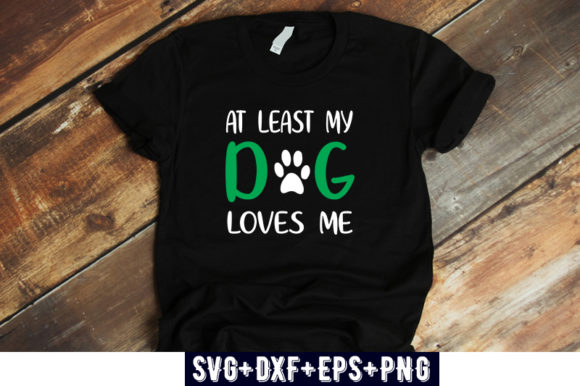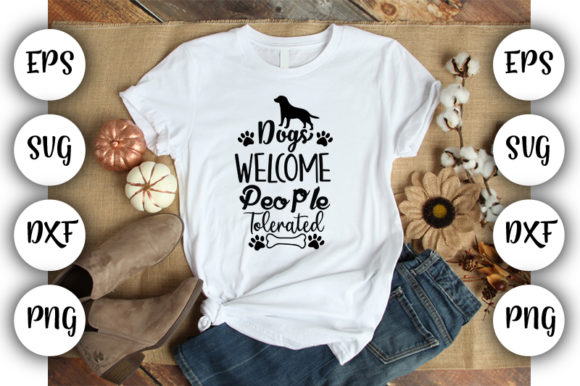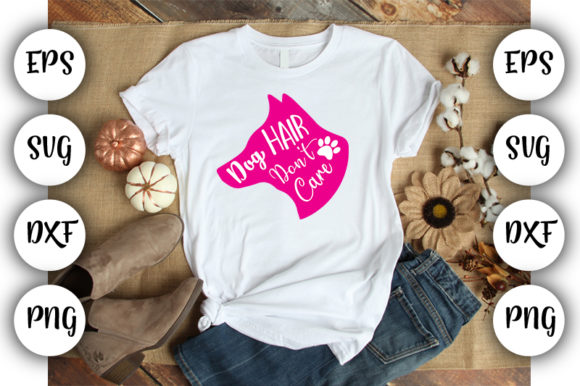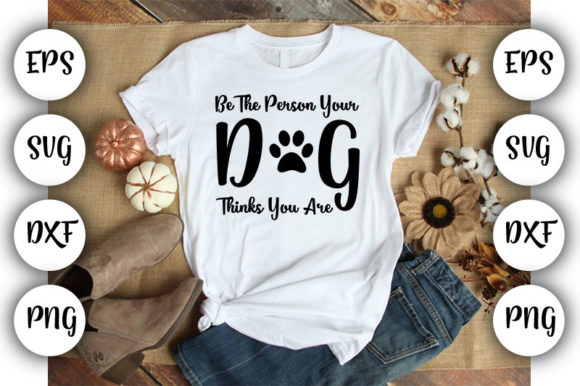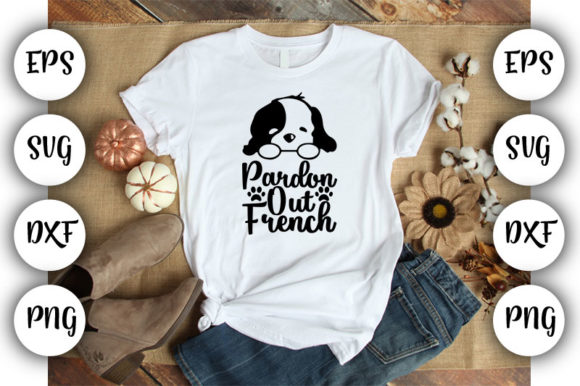
Dog Pardon Out French
A Designer’s First Glance: Charm with Quiet Confidence
When Dog Pardon Out French opened on my screen, it landed softly—not flashy, not fussy—but unmistakably intentional. The phrase curls with gentle rhythm, like handwriting you’d trust on a hand-stitched baby blanket or a boutique apron. There’s no aggressive kerning or forced whimsy; instead, clean curves and balanced spacing suggest thoughtful letterform design. It reads as warm, slightly nostalgic, and quietly confident—exactly the kind of tone that elevates a handmade product from “cute” to “curated.” As a designer who’s stitched hundreds of phrases onto tees, totes, and tea towels, I immediately pictured it on a natural linen tote bag for a local pet boutique—minimalist, meaningful, and unmistakably human-made.
Where This Design Truly Lives: Real Projects, Real Reactions
Dog Pardon Out French isn’t built for bold streetwear statements—it thrives in context where personality meets practicality. I tested it conceptually across several real-use cases: a custom embroidered sweatshirt for a dog trainer’s small shop (soft cotton blend, medium-weight stabilizer), a set of baby onesies (lightweight knit, tear-away + cut-away combo), and a series of kitchen towels for an Etsy listing (tightly woven cotton, high-contrast thread). In each case, the design held its voice without overwhelming the item. On the sweatshirt, it read clearly at 3.5" wide—no letter crowding, no lost detail in the “D” or “g.” On the onesie, the moderate stroke weight kept it legible even at 2.75", and the open counters in “a,” “o,” and “e” resisted fill-stitch bleed. For the towels, the layout left room for subtle border stitching or corner placement—no awkward stretching or distortion needed.
What Works—and Where to Pause
This design shines on stable, medium-to-heavy fabrics: canvas totes, brushed cotton sweatshirts, twill aprons, pillow covers, and structured caps. Its moderate density and open letterforms translate cleanly into satin stitch outlines and balanced fill areas—no risky underlay traps or over-stuffed corners. That said, I’d avoid using Dog Pardon Out French on ultra-thin jersey tees without significant digitizing adjustments (the current file likely assumes standard fabric stability). Stretchy knits, curved cap fronts, and densely textured terrycloth require careful hooping and stabilizer pairing—test first. Also note: the lowercase “p” and “d” have descenders that may clip or distort on very tight hoops (<4"). If you’re planning patches or layered applique, confirm whether the included SVG/DXF/EPS/PNG files contain clean vector paths—these matter for precise cutting or resizing without pixelation.
Why Customers Notice—And Remember—This One
It’s rare for a simple phrase design to carry emotional weight, but Dog Pardon Out French does. It doesn’t shout “dog lover”—it whispers shared understanding. That subtlety builds trust: customers browsing your Etsy shop or boutique rack sense intention, not algorithmic trend-chasing. When stitched well, it reads as professional, not DIY-casual—boosting perceived value on personalized gifts or small-batch merchandise. I’ve seen similar phrasing fall flat when letter spacing is uneven or stroke contrast is weak; here, the balance feels calibrated. That consistency supports brand cohesion, whether you’re selling embroidered tea towels under your own label or bundling this as part of a digital embroidery bundle for fellow crafters.
Practical Notes Every Embroidery Designer Should Run Through
- Always test on scrap fabric first—especially if using dark thread on light fabric or vice versa. Check how the “r” and “n” hold clarity at your intended size.
- Review stitch density before loading. If your machine flags dense fills, consider simplifying background layers—or confirm whether this is meant for standalone lettering (not filled backgrounds).
- Confirm hoop size compatibility. At full width, this likely fits comfortably in a 5x7 hoop—but verify before stitching on a curved surface like a cap bill.
- Inspect small details in the vector files: are terminals clean? Are anchor points optimized for smooth satin stitch flow? SVG and EPS files should scale cleanly; PNG is best for mockups only.
- Test black-and-white mockups to assess contrast and readability—critical for gift buyers scanning listings on mobile.
- Use proper stabilizer: medium-cutaway for knits, tear-away for stable wovens, and fusible + tear-away for lightweight linens.
- Check licensing terms before selling finished products or reselling the digital embroidery file. Since this is listed as a Graphics/T-Shirt Designs asset, clarify commercial use rights directly with the source.
Beyond the Stitch: How This Design Fits Your Business Rhythm
If you’re an Etsy seller building seasonal collections, Dog Pardon Out French slots neatly into spring pet-themed bundles—paired with paw prints or bone silhouettes, not competing with them. For craft fair vendors, it’s a quick-turn custom add-on: embroider it on a neutral cap or tote while customers wait. Small shop owners can use it to unify staff apparel (“Pardon Our Dust… and Our Dogs”) or elevate nursery decor with coordinated pillow + blanket sets. As a digital embroidery file, it’s versatile—but only if the vector assets are production-ready. Don’t assume all formats are equal: EPS often retains editability better than SVG for some machines; DXF works well for CNC-cut applique templates; PNG is strictly for visual reference.
Final Thought: It’s Not Just a Phrase—It’s a Vibe You Can Trust
Designs like Dog Pardon Out French succeed because they respect both the maker’s time and the buyer’s eye. They don’t demand excessive tweaking, don’t sacrifice legibility for charm, and don’t confuse simplicity with emptiness. In a market flooded with over-digitized, overly saturated machine embroidery designs, this one breathes. Use it where warmth matters more than wow—on a baby’s first embroidered bib, a barista’s apron, a holiday gift for the neighbor who rescues strays, or a small-batch tote sold at a farmers’ market. Just remember: even the quietest design earns its place through smart execution. Test it. Respect the fabric. Honor the stitch. And let the phrase speak for itself.