DOG TRAINING BADGE
A Designer’s First Glance: Clean, Friendly, and Purpose-Built
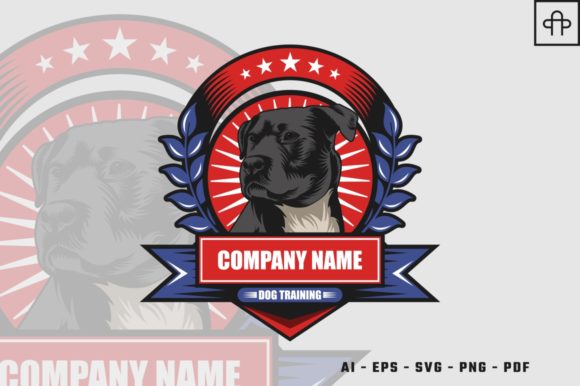
When I opened DOG TRAINING BADGE for the first time, I didn’t see just another vector graphic—I saw a small but confident statement. It’s got that balanced, centered composition you want in a badge: a stylized dog silhouette (friendly, not fierce), clean sans-serif lettering, and subtle framing—no clutter, no visual noise. The mood is warm, capable, and quietly professional—like a trainer who knows their craft but still kneels to greet your pup. That matters. Because this isn’t just decoration—it’s identity. Whether it’s stitched on a boutique apron or embroidered onto a custom sweatshirt for a local obedience school, DOG TRAINING BADGE carries tone as much as theme.
Where It Shines: Real Projects, Real Fabric
I recently used DOG TRAINING BADGE on a set of organic cotton tote bags for a dog-walking startup—simple black canvas, medium-weight, with light stabilizer underneath. Stitched at 3.5" wide, the design held up beautifully: crisp satin stitch edges on the outer ring, even fill stitch in the dog shape, and legible lettering without thin-line breakage. Customers loved how it looked “handmade but polished”—not too cutesy, not too clinical. That sweet spot is rare.
It works equally well on baby onesies (scaled down to 2.25"), sweatshirt cuffs, denim patchwork pillows, and even tea towels—especially when paired with neutral thread (heather grey or oatmeal). As an embroidery file, it translates cleanly across formats: SVG holds sharp corners in digitizing software, EPS maintains vector integrity for resizing, and the PNG is perfect for quick mockups in Canva or Photoshop. Since it’s categorized under Illustrations and Graphics, it’s clearly meant as a foundational design asset—not a standalone photo or print—but one that’s built to *move* from screen to stitch.
Where to Pause—and Test First
Don’t assume DOG TRAINING BADGE will behave the same on every surface. On stretchy fabrics like ribbed knits or lightweight jersey tees, I recommend hooping with cutaway stabilizer and reducing stitch density slightly—especially around the curved outer ring—to avoid puckering. On dark fabric, test thread contrast early: light grey or cream thread reads better than stark white, which can look washed out. And on curved surfaces—like the front panel of a structured cap—the top curve may compress slightly unless you adjust placement or use a smaller hoop size (4" or less).
Tiny details? The inner negative space of the dog’s ear and the spacing between “TRAINING” and “BADGE” are tight but workable—just don’t push below 2" wide without checking stitch clarity. On textured fabrics (burlap, heavy linen, or terry cloth), simplify expectations: fine lines soften, and the badge’s charm shifts from precision to character. That’s fine—just know it ahead of time.
What It Adds to Your Finished Product
Embroidery isn’t just about what’s stitched—it’s about what it says before the first thread is pulled. DOG TRAINING BADGE elevates perceived value instantly. A plain cotton apron becomes a branded tool; a generic sweatshirt becomes a conversation starter. For Etsy sellers and small shop owners, that means higher average order value and stronger repeat appeal—customers remember the clarity, the confidence, the care baked into the design.
It also supports brand consistency without demanding rigid lockup. You can pair it with simple monograms, paw prints, or even handwritten names—without visual competition. And because it’s not overly detailed or trend-dependent, it ages well. No need to refresh it seasonally. That’s valuable for craft business owners juggling inventory, listings, and handmade production timelines.
Practical Notes Every Embroidery Designer Should Keep Handy
- Always test on scrap fabric first—especially if using textured, stretchy, or dark materials.
- Check thread color contrast in natural light and on both light and dark backgrounds.
- Review stitch density in your embroidery software—look for dense clusters that could cause stiffness or thread breaks.
- Confirm hoop size compatibility before digitizing or stitching—some versions may require repositioning for standard 4×4 or 5×7 hoops.
- Inspect small details at actual stitch-out size—letter spacing, inner cutouts, and edge smoothness matter more than they do on screen.
- Test black-and-white mockups to gauge readability and silhouette strength before committing to full-color production.
- Use appropriate stabilizer: tear-away for stable wovens, cutaway for knits, and fusible for lightweight layers.
- Verify licensing terms before selling finished items or bundling DOG TRAINING BADGE as part of a digital product pack—commercial use rights aren’t automatic, even with multiple file formats.
Final Thought: A Quietly Versatile Workhorse
DOG TRAINING BADGE won’t shout—but it’ll hold attention. It’s not flashy, and it doesn’t need to be. In a market saturated with overdesigned logos and cartoonish pet graphics, its restraint is its strength. It fits seamlessly into custom apparel, personalized gifts, nursery decor, holiday embroidery bundles, and small-batch merchandise—all while keeping the focus on craftsmanship, not clutter.
If you’re an embroidery designer choosing assets for client work—or a creative entrepreneur building a cohesive line of handmade products—this is the kind of design that earns trust, not just clicks. It’s ready to stitch, ready to sell, and ready to represent something real: skill, care, and quiet confidence in every loop and fill.