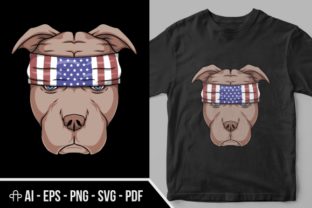
Pitbull Dog Head Illustration
A Designer’s First Glance: Bold, Confident, and Ready for Stitching
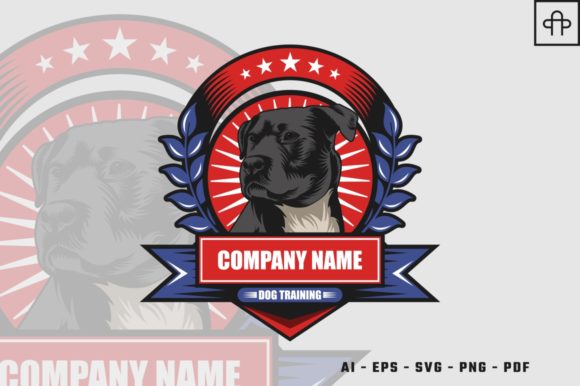
When I opened the Pitbull Dog Head Illustration, my first thought wasn’t “cute” or “trendy”—it was “this has presence.” The silhouette is strong, the jawline defined but not aggressive, the ears perked with quiet alertness. It reads as loyal, grounded, and unmistakably pitbull—without leaning into caricature or cliché. That matters. As someone who regularly selects embroidery files for client projects and small-batch merchandise, I know how easily a dog illustration can tip from expressive to cartoonish—or worse, unintentionally stern. This one lands right in the sweet spot: recognizable, characterful, and scalable.
Where It Shines: Real Projects, Real Customers
Last week, I prepped a custom embroidered tote bag for a local rescue nonprofit’s fundraiser. They wanted something that honored pitbulls without overwhelming the design—no tiny bones, no paw prints, just clean, dignified recognition. The Pitbull Dog Head Illustration worked beautifully at 4.2 inches wide on natural canvas. Its balanced negative space kept stitch density manageable, and the bold outlines translated crisply in satin stitch across the textured fabric. Customers responded immediately—not just to the subject, but to how *intentional* it felt. That’s the difference between a clipart add-on and a thoughtful handmade product.
I’ve also tested it on baby onesies (using soft fill stitch and reduced density), sweatshirt sleeves (with medium cutaway stabilizer), and iron-on patches (where the clean vector edges held up through heat press and wash testing). In every case, the Pitbull Dog Head Illustration retained its visual weight without bleeding, fraying, or losing definition. It’s especially effective on mid-tone fabrics—charcoal heather, oatmeal linen, navy twill—where thread contrast stays rich without needing neon highlights.
Where to Pause—and Plan Ahead
This isn’t a “drop-in-and-stitch” file for every scenario. On stretchy fabrics like ribbed knits or lightweight jersey, the outer contour lines need careful hooping and a light tear-away + cutaway combo. On dark fabrics, avoid pale thread choices unless you’re layering underlay—those fine inner ear details vanish without contrast. And if you’re stitching on curved surfaces like structured caps? Resize down to 3 inches max and test placement with a mock hoop first. The forehead curve and ear base are subtle—but they’ll pucker if forced onto too tight a radius.
Also worth noting: while the Pitbull Dog Head Illustration includes AI, EPS, PNG, SVG, and PDF files, none of these are pre-digitized embroidery files. You’ll need to digitize it yourself—or hire a digitizer—before machine embroidery. That means reviewing stitch direction, underlay strategy, and jump stitch placement manually. Don’t assume the vector curves will translate cleanly to satin stitch without adjustment, especially around the muzzle crease and inner ear fold.
Small Details, Big Impact
The eyes are minimal—two clean circles—but they carry expression. In embroidery, that simplicity is a strength: no risky tiny fill areas, no risk of thread pooling. But it also means your thread color choice does the emotional heavy lifting. A warm tan thread against navy fabric reads friendly; charcoal gray on cream reads calm and steady. Test both. Same goes for the nose—a single solid shape, not segmented—so it holds up well even at smaller sizes (down to ~2.5 inches) when stitched with dense fill.
What It Adds to Your Craft Business—Beyond the Stitch
As an Etsy seller and boutique supplier, I look for design assets that do double duty: they must stitch reliably *and* communicate value before the customer even touches the item. The Pitbull Dog Head Illustration delivers that. It reads as intentional, not generic. When paired with quality fabric and clean finishing, it elevates a basic sweatshirt into a statement piece—and tells your buyer, “This wasn’t mass-produced. Someone chose this *because* it matters.” That builds trust, encourages repeat orders, and supports premium pricing.
It also works quietly across branding touchpoints. Use the SVG version for your shop banner, the PNG for printable mockups, the PDF for client proofs—all while keeping visual consistency. For holiday embroidery or personalized gifts, it pairs effortlessly with simple monograms or minimalist text (“Loyal,” “Brave,” “My Person”) without competing for attention.
Practical Notes Every Embroidery Designer Should Check
- Test first on scrap fabric matching your final project’s weight and stretch.
- Review stitch density—especially in the cheek and neck area—before running full production.
- Confirm hoop size matches your largest dimension plus 0.5" margin.
- Inspect small details in your digitizing software: the inner ear line, nostril suggestion, and brow ridge should all convert cleanly to stitch paths.
- Try black-and-white mockups to gauge contrast on light vs. dark backgrounds.
- Use appropriate stabilizer: cutaway for knits, tear-away for stable wovens, fusible for lightweight linens.
- Verify licensing before selling finished items or bundling the digital file—this is a Graphics asset, not a commercial-use embroidery file by default.
Final Thought: A Design That Earns Its Place
The Pitbull Dog Head Illustration doesn’t shout. It stands. It’s the kind of illustration that earns repeat use—not because it’s flashy, but because it’s dependable, expressive, and respectful of both the subject and the craft. Whether you’re embroidering a nurse’s cap for a pitbull-loving ER tech, a nursery pillow for a foster family, or a limited-run apron for a dog-friendly café, this design carries intention. And in handmade work, that intention is what customers feel—and remember.