Pug Dog Fashion
A Designer’s First Glance: Playful, Polished, and Purpose-Built
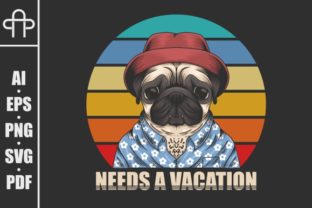
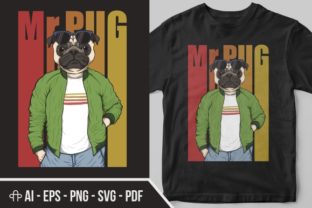
Opening Pug Dog Fashion feels like unboxing a well-curated sketchbook page — confident linework, expressive posture, and just the right amount of stylized charm. It’s not overly cartoonish, nor is it hyper-realistic; it lands cleanly in that sweet spot where personality meets embroidery readiness. The pug sits upright with a slightly tilted head, bowtie subtly integrated into the neckline, and clean negative space around the silhouette. That breathing room matters — especially when you’re planning to stitch it onto a curved surface like a cap or a rounded pillow cover.
Real-World Test: Embroidering a Custom Tote for a Local Pet Boutique
Last week, I prepped Pug Dog Fashion for a small-batch run of canvas tote bags for a neighborhood pet boutique. These weren’t throwaway promo items — they were priced at $38, meant to sit beside handmade collars and ceramic bowls on a curated shelf. So clarity, consistency, and charm had to carry equal weight. I loaded the SVG into my digitizing software, checked anchor points, and ran a quick simulation. What stood out immediately was how well the design holds its shape across scale: shrink it to 2.5" for a baby onesie chest placement, or expand it to 4.75" for a tote front panel — the proportions stay friendly and legible. No awkward stretching or loss of expression.
Where It Shines (and Where to Pause)
Pug Dog Fashion works beautifully on medium-weight fabrics — think cotton twill for aprons, brushed poly-cotton for sweatshirts, or linen-blend tea towels. Its balanced line weight supports satin stitch outlines without bleeding, and the compact body allows generous fill stitch coverage without overloading density. As an embroidery file, it translates cleanly to patches, too — I stitched one onto a denim jacket sleeve using tear-away + cut-away stabilizer combo, and the bowtie detail held up without puckering.
That said, proceed thoughtfully on:
- Stretchy fabrics — like jersey tees — where even subtle distortion can blur the pug’s eye shape or bowtie angle. Always test with basting stitches first.
- Dark or textured backgrounds — the design relies on clean contrast. On charcoal fleece or bouclé knit, consider adding a subtle underlay or switching to matte thread for better definition.
- Tiny hoop sizes (under 3") — while scalable, the bowtie and facial details begin to soften below 2.25". Reserve those versions for simple applique or hybrid hand/machine projects.
- Layered garments — like hoodies with thick drawcords — where tight corner clearance matters. The pug’s rounded ears and compact base help here, but always check clearance in your embroidery software’s preview mode.
What It Adds to Your Handmade Product — Beyond Cuteness
This isn’t just another dog graphic. Pug Dog Fashion carries quiet professionalism. Customers notice when stitching looks intentional — not rushed or pixelated. On an Etsy listing for personalized baby blankets, this design reads as thoughtful, not generic. It builds trust: parents see care in the curve of the ear, the spacing of the eyes, the way the bowtie integrates rather than floats. That perception lifts perceived value — whether you're pricing a custom embroidered pillow cover at $52 or bundling it into a boutique gift set.
For craft business owners, it also supports brand consistency. Pair it with a clean sans-serif monogram or minimalist tagline, and you’ve got cohesive nursery decor, holiday embroidery kits, or wedding favor totes — all anchored by the same warm, approachable visual voice.
Practical Notes Every Embroidery Designer Should Run Through
Before committing to production, I always run these checks — and Pug Dog Fashion responds well to each:
- Test on scrap fabric — especially if using textured weaves or blends. Note how the fill stitch settles and whether the outline “pops” against the grain.
- Review stitch density — not too sparse (loses impact), not too dense (causes stiffness or thread breakage). This design lands in the Goldilocks zone for most mid-weight apparel.
- Confirm hoop size compatibility — it fits comfortably in a 4"x4" hoop, but verify your machine’s max dimensions if scaling beyond 4.5".
- Inspect small details — zoom in on the bowtie knot and eye highlights. Are anchor points smooth? Does the SVG path convert cleanly to stitch commands?
- Mock it in black and white — helps spot tonal imbalance before threading up. Does the pug read clearly on both light and dark grounds?
- Use appropriate stabilizer — lightweight cut-away for knits, tear-away for stable wovens, and fusible + tear-away for delicate linens.
- Check licensing scope — since it's listed under Illustrations and Graphics, confirm whether commercial use (e.g., selling finished embroidered patches or digital embroidery files) is permitted. When in doubt, contact the creator directly.
Fitting Into the Bigger Picture
As a designer who regularly sources digital embroidery files for client work and my own small shop, I look for assets that do more than decorate — they tell a story, support a brand, and hold up under real-world wear. Pug Dog Fashion does that. It’s equally at home on a holiday embroidery kit sold at a local craft fair, a batch of personalized gifts for a pug rescue fundraiser, or a limited-run collection of embroidered aprons for a coffee roaster’s staff. It doesn’t shout — it invites. And in handmade product markets, that kind of quiet confidence is rare, valuable, and deeply sellable.
Final Thought: A Design That Earns Its Place
Not every pug illustration earns a spot in your active embroidery library. Pug Dog Fashion does — because it balances character with craft, charm with technical readiness, and versatility with intention. Whether you're an Etsy seller building seasonal collections, a small shop owner curating boutique merchandise, or a hobbyist stitching heartfelt gifts, this design doesn’t ask you to compromise. It asks you to create — clearly, confidently, and with joy.