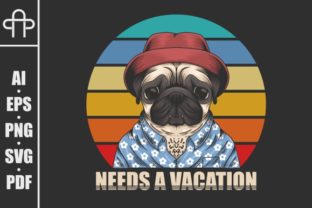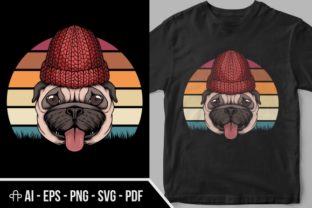
Pug Dog Retro Illustration
First Impressions: Playful, Punchy, and Instantly Recognizable
When I opened the Pug Dog Retro Illustration files, my immediate thought wasn’t “cute dog”—it was “this has personality.” The bold outline, slightly exaggerated features (that squint! that tongue!), and clean mid-century-inspired silhouette give it warmth without saccharine overload. It’s not photorealistic—it’s stylized with intention. That matters. In embroidery, clarity trumps detail every time. This illustration lands right in the sweet spot: simple enough to stitch cleanly at 3–4 inches, expressive enough to hold attention on a tote bag or baby onesie. It feels like something you’d find on a vintage lunchbox—not a stock clipart pug.
Real-World Test: Embroidering It onto a Linen Tea Towel for a Local Boutique
Last week, I used Pug Dog Retro Illustration as the centerpiece for a set of linen tea towels—part of a small-batch holiday collection for a neighborhood kitchen boutique. We stitched it at 3.2 inches wide, centered on the lower corner. No applique. Just satin stitch for the outline and smooth fill stitch for the body. The result? Crisp, confident, and surprisingly dimensional—even on a loosely woven fabric. Customers responded immediately: “That’s *my* pug!” “I need this for my coffee station.” That kind of emotional connection is rare—and it starts with a design that reads well *before* it’s stitched.
Where It Shines (and Why)
- Custom apparel: Works beautifully on sweatshirts and structured cotton tees—its strong contour holds up against knit texture and light stretching.
- Tote bag design: Large enough to anchor a canvas bag without dominating; the retro vibe adds instant charm to everyday carry.
- Baby embroidery: Friendly, non-fussy, and scalable down to 2.5 inches—ideal for onesies or burp cloths where softness and legibility matter more than fine detail.
- Embroidered patch: Clean edges mean minimal fraying when cut and sewn. The shape lends itself naturally to a die-cut or merrowed border.
- Holiday embroidery & personalized gift: Pairs effortlessly with minimalist text (“Est. 2023”, “The Smiths”, “Biscuit & Co.”) for custom family gifts or pet-themed stockings.
Where to Proceed Thoughtfully
The Pug Dog Retro Illustration isn’t magic—it’s smart design, and smart design needs context. Here’s where I pause and double-check:
- Small hoop sizes (under 4”): The ears and tongue have subtle curves. At under 2 inches, those can blur into blobby satin stitches—test on scrap first.
- Stretchy fabric (like jersey or ribbed knits): Use cutaway stabilizer + basting stitch. The outline’s confidence depends on stability—not elasticity.
- Dark fabric: The design relies on contrast. On navy or charcoal, avoid light gray thread—go deep charcoal or black for definition. Always mock up digitally in grayscale before stitching.
- Curved surfaces (caps, beanies): The flat, front-facing composition works—but reduce size to 2.75” max and adjust placement slightly higher to compensate for crown distortion.
- Frequent-wash items (baby clothes, kitchen towels): Keep stitch density moderate. Overly dense fills can stiffen fabric or encourage thread wear over time.
What It Does for Your Handmade Product—and Your Customer
This isn’t just another dog graphic. Pug Dog Retro Illustration elevates perception. When a customer sees it stitched cleanly on an apron or pillow cover, they read “thoughtful maker,” not “downloaded clipart.” That trust translates directly to pricing power, repeat orders, and word-of-mouth referrals. For Etsy sellers and small shop owners, it supports brand consistency—especially if you pair it with a limited palette (mustard + navy, olive + cream) across your listings. And for craft fairs? It’s a conversation starter. People smile, point, and ask, “Do you do custom names?” Yes—and now you’ve got a strong, scalable anchor design to build around.
Practical Embroidery Designer Notes Before You Stitch
- Test the embroidery file on scrap fabric matching your final product—same weight, same stretch, same color.
- Check thread color contrast early. Try black, charcoal, and warm brown on off-white linen—then reverse it on dark denim.
- Review stitch density visually in your software. If fills look heavy or outlines feel thin, adjust underlay or density—not just scale.
- Confirm hoop size compatibility. This design scales well—but don’t force a 4.5” version into a 4” hoop without repositioning.
- Inspect corners and curves at actual stitch size. Tiny angles in the ear or jawline may need manual cleanup in digitizing software.
- Use printable mockups to preview how Pug Dog Retro Illustration looks on packaging, tags, or social posts—consistency builds recognition faster than any ad.
- Verify licensing terms before selling finished products or bundling the digital embroidery file as part of a craft business kit.
A Design That Fits Real Work—Not Just a Folder
I keep Pug Dog Retro Illustration in my “go-to retro” folder—not because it’s trendy, but because it’s reliable. It’s held up on baby blankets washed weekly, survived screen printing overprints on organic cotton tees, and anchored embroidered patches sewn onto denim jackets by teens who *hate* dog stuff (but loved the vibe). That’s the mark of a truly functional design asset: it serves the project, not the trend. Whether you’re a seasoned commercial embroiderer or a hobbyist launching your first Etsy shop, this illustration doesn’t ask you to work around it. It works *with* you—clean lines, clear intent, and quiet confidence in every curve.