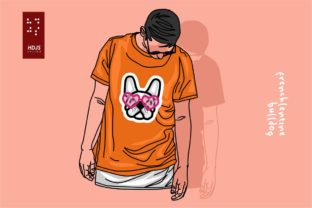
Frenchlentin Glass: A Thoughtful Embroidery Design Review
First Impressions: Quiet Confidence, Not Flashy Gimmicks
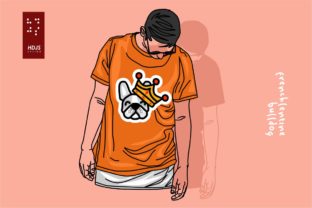
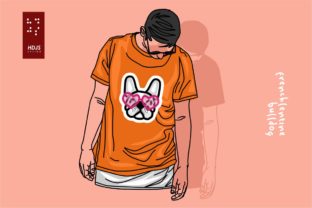
When I opened Frenchlentin Glass for the first time, what struck me wasn’t boldness—it was balance. A black-gray dog illustration, rendered with clean lines and intentional negative space, feels grounded and quietly expressive. It’s not cartoonish, nor overly realistic—more like a well-observed sketch translated into stitchable form. The posture is relaxed but alert; the head tilt suggests personality without needing exaggerated features. As an embroidery designer who’s stitched hundreds of animal motifs, I immediately sensed this would translate well to thread—not as a dense, fussy design, but as something that breathes on fabric.
A Real Project Test: Custom Embroidered Tote Bags for a Local Boutique
Last week, I prepped Frenchlentin Glass for a small-batch order of canvas tote bags—intended as limited-edition holiday gifts for a neighborhood gift shop. The client wanted “timeless, not trendy,” and asked for something that felt handmade but polished. Frenchlentin Glass fit that brief perfectly. I sized it to 3.8" wide (a comfortable sweet spot for totes), used medium-weight cutaway stabilizer, and chose matte black and charcoal gray rayon threads. On natural canvas, the contrast was subtle but unmistakable—elegant, not loud. Customers responded with comments like “It feels like it belongs there,” not “What is that?” That’s the sign of a design that supports the product, not competes with it.
Where It Shines in Real Embroidery Use
- Custom apparel: Works beautifully on sweatshirts and structured tees—its mid-tone grayscale reads clearly even on heathered or textured knits.
- Tote bags & aprons: Holds its shape across seams and curves without distortion, thanks to balanced line weight and no ultra-thin connectors.
- Baby embroidery: Gentle enough for onesies and burp cloths—no sharp points, no aggressive angles, just soft presence.
- Embroidered patches: Clean outer edge makes it ideal for merrowed or heat-applied backing; no stray details that snag during finishing.
- Holiday & wedding gifts: Paired with minimalist linen pillow covers or monogrammed tea towels, Frenchlentin Glass adds warmth without clutter—ideal for couples who love dogs but dislike cutesy clichés.
- Etsy listings & small shop products: Its SVG/PNG/JPEG versatility means you can use it for digital mockups *and* physical stitching—great for showing customers exactly how their custom order will look.
Where to Proceed with Care
Frenchlentin Glass isn’t magic—it’s thoughtful design, and like all thoughtful design, it has natural boundaries. Here’s where I’d pause before stitching:
- Small hoop sizes (under 3"): The ear detail and subtle muzzle contour may compress or lose definition. Test at your target size on scrap fabric first.
- Thin or stretchy fabrics (like jersey or lightweight cotton voile): Use tear-away + light cutaway stabilizer combo—this design relies on clean edges, which can blur if the ground fabric shifts.
- Dark or heavily textured fabrics (black terry, bouclé knit): Check thread color contrast carefully. Black thread on black fabric disappears; consider off-black or deep charcoal for visibility.
- Curved surfaces (caps, curved pockets): Its horizontal orientation works best on flat or gently rounded areas—not steep crowns or tight gussets.
- Frequent-wash items (baby blankets, kitchen towels): Confirm stitch density matches your thread and fabric—overly dense fills can stiffen delicate weaves over time.
How It Shapes Perception—and Why That Matters
When customers see Frenchlentin Glass on a finished product, they don’t just see a dog—they register intention. It signals care in curation, confidence in execution, and respect for the handmade aesthetic. That translates directly to perceived value: buyers are more likely to pay a premium for a sweatshirt featuring Frenchlentin Glass than one with a generic clipart pup. For Etsy sellers and craft fair vendors, that quiet distinction builds trust—especially when paired with consistent branding across packaging, tags, and social previews. And because it avoids trend-driven tropes, it stays relevant across seasons and customer age ranges.
Practical Designer Notes Before You Stitch
- Test Frenchlentin Glass on scrap fabric *identical* to your final project—especially if using textured, dark, or stretchy materials.
- Review thread color contrast in both daylight and indoor lighting—gray-on-gray can vanish under certain bulbs.
- Inspect the file for tiny interior details (like eye highlights or whisker lines) that may need simplification depending on your machine’s minimum stitch length.
- Compare how it looks in black-and-white mockups versus full-color previews—this helps anticipate how it’ll read on different fabric backgrounds.
- Use appropriate stabilizer: cutaway for knits, tear-away for stable wovens, and fusible + tear-away for lightweight linens.
- Confirm licensing terms before selling finished items or reselling digital files—Frenchlentin Glass is listed as Graphics/illustrations, so commercial use eligibility depends on the seller’s stated license.
- Remember: this is a machine embroidery design *starting point*, not a finished solution. Adjust density, underlay, and pull compensation based on your thread, fabric, and machine.
Final Thought: A Design That Supports Your Craft, Not Your Hype
Frenchlentin Glass won’t go viral—but it might become the quiet favorite in your embroidery library. It doesn’t shout. It settles in. It pairs well with oatmeal linen, charcoal fleece, and unbleached canvas alike. It works for baby embroidery and boutique sweatshirts, for personalized gifts and small shop merchandise—because it respects the material, the maker, and the person receiving it. In a landscape full of overdesigned graphics, Frenchlentin Glass reminds us that sometimes the most effective embroidery file is the one that simply says, “This was made with attention.” And that’s worth stitching again and again.