Embroidery Design Review: Dog Obedience Training
A Practical Look at the Design for Real-World Use
As a designer who regularly works with embroidery files for custom apparel, craft projects, and small business merchandise, I often evaluate designs based on their real-world performance. The Dog Obedience Training design is no exception. Before recommending it for use in a finished product, I want to share my observations and insights from a professional standpoint.
First Impressions: Mood and Visual Personality
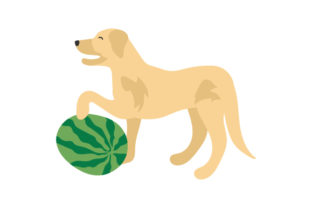
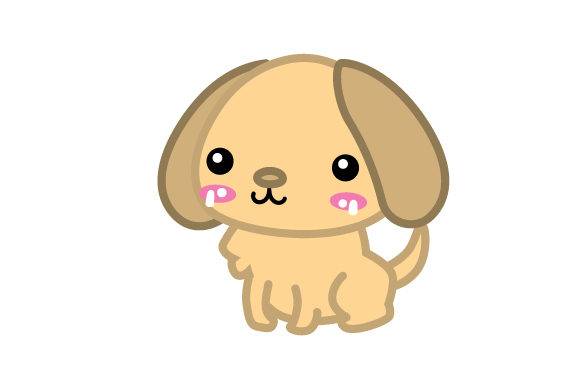
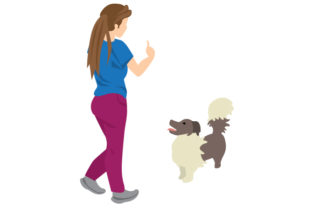
The first thing that strikes me about Dog Obedience Training is its clean, straightforward layout. It has a modern, minimalist feel that’s easy to digest. The central image of a dog training scene is simple yet expressive, with enough detail to convey the theme without overwhelming the viewer. This makes it ideal for both personal and commercial use, especially when paired with a strong color palette or contrasting thread choices.
The design’s visual personality leans toward professionalism and approachability. It’s not overly decorative, which means it can adapt well to different styles of embroidery—from subtle applique to more detailed satin stitch work. Its simplicity also makes it versatile for various fabric types and project sizes.
Real-Life Application: Where Does This Design Fit?
When considering where to use Dog Obedience Training, I think of several practical applications. For example, if I were preparing a custom embroidered tote bag for a pet-themed boutique, this design would fit perfectly. It could be used as a subtle logo or as a main feature depending on the size of the hoop and the desired impact.
It also works well for custom apparel like t-shirts, sweatshirts, and caps. A smaller version of the design could be used on a cap, while a larger version might be suitable for a sweatshirt. For holiday embroidery, it could be adapted into a seasonal piece by adding a snowflake or paw print accent.
Another potential use is for personalized gifts such as baby clothes, aprons, or pillow covers. The design’s clarity and simplicity make it ideal for these kinds of products, where the focus is on the message rather than the embellishment.
Design Performance in Embroidery Projects
One of the key factors in evaluating an embroidery design is how it performs during stitching. Dog Obedience Training appears to have a good balance of fill and running stitches, which ensures a smooth and even finish. However, I recommend testing the design on scrap fabric first to confirm stitch density and overall quality.
When working with small hoop sizes, the design may need to be scaled down carefully to maintain clarity. On the other hand, it should handle larger hoop sizes well, allowing for more intricate details to be visible. That said, the design’s simplicity means it doesn’t require excessive stitch density, which is a plus for both time and material efficiency.
For textured fabrics or stretchy materials, it’s important to use the right stabilizer. The design’s flat layout and minimal detailing make it compatible with most stabilizers, but I’d suggest testing it on a few different fabric types before committing to a full project.
Careful Considerations for Specific Uses
While Dog Obedience Training is a solid choice for many projects, there are a few situations where it should be used with caution. For instance, on dark fabrics, the contrast between the design and the background may be less pronounced, which could affect visibility. In such cases, choosing a high-contrast thread color is essential.
Similarly, thin or delicate fabrics may struggle with the design’s stitch density. It’s worth checking whether the design is optimized for such materials, or if adjustments are needed to prevent puckering or distortion.
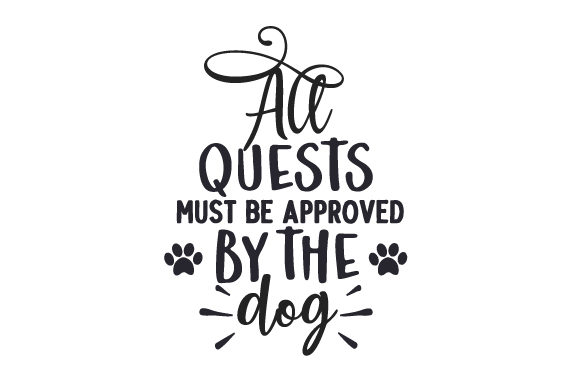
On curved surfaces like caps or hats, the design’s layout may require some tweaking to ensure it looks balanced and natural. Additionally, if the design includes any tiny lettering or decorative accents, those elements should be tested thoroughly to avoid being lost in the stitching process.
Impact on Product Value and Customer Trust
From a business perspective, Dog Obedience Training has the potential to add value to handmade products and digital offerings. Its clean design and clear message make it appealing for personalized gifts and custom apparel, which are popular in the craft and Etsy markets.
However, the success of the design also depends on how well it’s presented. A well-executed embroidery project can enhance customer trust and brand consistency, especially when used in commercial embroidery or craft fair products. Ensuring that the design looks sharp and professional in both printable mockups and finished products is crucial.
Practical Designer Notes for Using This Design
If you’re planning to use Dog Obedience Training in your own projects, here are a few tips:
- Test on scrap fabric first to assess stitch density and overall appearance.
- Check thread color contrast to ensure visibility against the chosen fabric.
- Confirm hoop size to match the scale of your project.
- Inspect small details like text and accents to ensure they’re clear and legible.
- Use proper stabilizer to prevent shifting or puckering during stitching.
- Test in black and white mockups to see how the design holds up in different lighting conditions.
- Compare light and dark fabric backgrounds to determine the best color pairing.
- Ensure licensing compliance if you plan to sell finished items or digital products.
By following these steps, you can maximize the design’s potential and ensure it meets the expectations of your customers and clients.