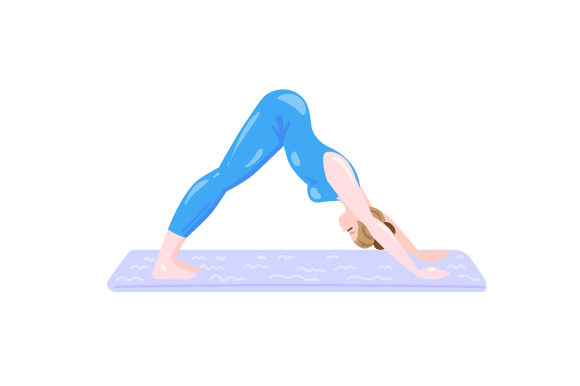
Downward Dog
A Yoga-Inspired Embroidery Design for Real Projects
As a designer who’s stitched countless projects from custom apparel to handmade gifts, I approach each embroidery design with the same question: Will this work in real life? Downward Dog is no exception. It’s a yoga-inspired design that carries a calm, meditative energy, and its clean lines and balanced composition suggest it’s more than just a pretty image—it’s a functional asset for a range of creative ventures.
The First Impression: Calm and Balanced
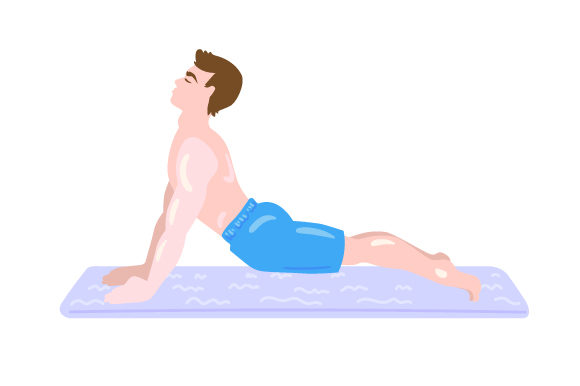
At first glance, Downward Dog feels like a serene presence. The pose is rendered with simplicity and clarity, emphasizing the key elements of the yoga position without overcomplicating the details. The design has a minimalist feel, which makes it versatile enough to fit into both modern and traditional settings. Its neutral palette—mostly greens, browns, and whites—suggests it can adapt well to various fabric tones and color schemes.
What stands out is the attention to proportion and symmetry. The body is well-proportioned, and the limbs are clearly defined, making it easy to recognize at a glance. This clarity is important when considering how the design will look once stitched, especially on larger items like tote bags or aprons where details can get lost.
Real-Life Use Cases: From Tote Bags to Custom Apparel
Downward Dog has a natural fit for several project types. On a custom sweatshirt, it adds a calming visual element that complements the casual vibe of the garment. When embroidered on a tote bag, it becomes a subtle yet meaningful statement piece, perfect for yoga enthusiasts or anyone looking to infuse their everyday items with intention.
It also works well on apparel like baby clothes or caps, where the design’s simplicity ensures it doesn’t overwhelm the small scale of the item. For personalized gifts, such as embroidered patches or holiday items, Downward Dog offers a thoughtful and recognizable motif that resonates with the intended audience.
One thing to consider is how the design translates to different hoop sizes. While the overall layout is balanced, smaller hoops may require careful placement to ensure the entire pose remains visible and intact. Testing on scrap fabric before committing to a final product is always a good idea, especially when working with intricate shapes or detailed areas.
Design Considerations for Different Fabrics and Surfaces
Downward Dog performs best on light-colored fabrics with smooth textures. Darker fabrics may reduce the visibility of certain details, particularly if the design relies on subtle shading or contrast. If you’re planning to use it on textured or stretchy materials, be prepared to adjust your stabilizer and stitch density accordingly.
For curved surfaces like caps or hats, the design holds up well due to its streamlined shape. However, tight corners or dense stitch areas might cause slight distortion, so it’s worth checking how the design behaves on a mockup or test piece before proceeding.
Another factor to keep in mind is the thread color and stitch density. A high-contrast thread color will enhance the design’s visibility, while a lower stitch density might result in a softer, more abstract look. Both options have their place depending on the desired aesthetic and the end use of the finished product.
Practical Designer Notes for Success
- Test on scrap fabric: Always do a trial run to see how the design looks and behaves in real conditions.
- Check thread contrast: Ensure your chosen thread colors provide enough contrast against the fabric background.
- Review stitch density: Adjust as needed to balance detail and clarity, especially on smaller items.
- Confirm hoop size: Choose a hoop that accommodates the design’s full dimensions without stretching or distorting.
- Inspect small details: Look for any potential issues with tiny lettering or intricate corners that could affect the final appearance.
- Use proper stabilizer: Especially important for stretchy or delicate fabrics to prevent puckering or shifting.
- Test black and white mockups: This helps identify any hidden details or inconsistencies in the design.
- Compare light and dark backgrounds: Ensure the design maintains its appeal across different fabric tones.
- Check licensing terms: If selling finished products or digital files, confirm whether the design is licensed for commercial use.
- Consider both personal and commercial applications: Some designs may work better for one purpose than the other.
Final Thoughts on Downward Dog
Downward Dog is a versatile and well-crafted design that offers a strong foundation for a wide range of embroidery projects. Whether you're creating a custom apparel piece, a handmade gift, or a commercial embroidery asset, it provides a clear, recognizable image that can elevate your product's visual appeal.
Its simplicity makes it ideal for those who value brand consistency and professional presentation, while its adaptability means it can fit seamlessly into both small shop products and Etsy listings. As with any design, it’s essential to consider the specific needs of your project and test thoroughly before moving forward.
Ultimately, Downward Dog is not just an embroidery file—it’s a tool for creativity, a symbol of mindfulness, and a practical choice for designers and makers looking to add meaning and quality to their craft.