Dog Crate
First Impressions: A Functional and Focused Design
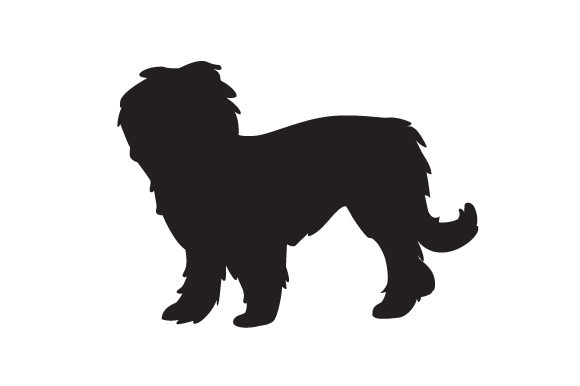
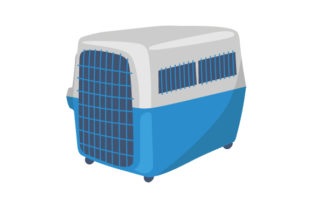
The Dog Crate design arrives with a clear, purposeful visual language. It’s not overly ornate or complex, which makes it immediately approachable for both personal and commercial use. The layout is clean, with well-defined shapes that suggest functionality without sacrificing charm. As a designer, I find the balance between simplicity and detail refreshing—it feels like something that could easily translate into a finished product without overwhelming the viewer.
Designing for Real Projects: A Practical Perspective
When I think about using Dog Crate in real embroidery projects, I imagine it on a custom tote bag or a personalized baby item. The crate shape is versatile enough to fit into various applications, from apparel to home goods. Its neutral palette and straightforward design make it adaptable for different markets—whether it's a holiday gift, a boutique product, or a small shop merchandise piece.
One of the most appealing aspects of Dog Crate is its ability to maintain clarity even when scaled down. This is especially important for smaller hoop sizes where intricate details can get lost. The design doesn’t rely heavily on tiny lettering or dense stitch areas, which makes it more forgiving for less experienced embroiderers or those working with limited space.
Testing the Design in Real Life
To truly evaluate a machine embroidery design, I always start by testing it on scrap fabric. Dog Crate holds up well in this stage. The stitch density is consistent, and the outlines are sharp enough to maintain definition without being too heavy. When I tested it on a light-colored cotton fabric, the contrast was excellent, but I also considered how it might look on darker backgrounds. The design works best with high-contrast thread colors, so I recommend checking thread color options before finalizing the project.
I also examined how Dog Crate would perform on different fabric types. On textured fabrics, the design still maintains its integrity, though some minor distortion may occur. For stretchy materials like denim or knit fabrics, I’d suggest using a stabilizer to prevent puckering. Darker fabrics require careful consideration of thread color to ensure visibility and vibrancy.
Where to Use Dog Crate with Confidence
- Tote Bag Design: Perfect for a custom embroidered tote, especially for pet lovers or crafters looking to create a unique handmade product.
- Sweatshirt Embroidery: A great choice for a personalized gift or boutique branding, as it fits well on larger surfaces without overpowering the garment.
- Baby Embroidery: The clean lines and gentle tone make it ideal for baby clothes, adding a touch of whimsy without being too bold.
- Holiday Embroidery: Can be adapted for seasonal themes, making it a flexible option for festive gifts or promotional items.
- Embroidered Patch: Works well as a small accessory, suitable for caps, hats, or aprons where subtle branding or personalization is needed.
Considerations for Commercial and Personal Use
If you're an Etsy seller or running a small craft business, Dog Crate offers good value. Its versatility allows it to be used across multiple product lines, which can help with inventory management and customer engagement. However, it’s important to confirm licensing terms before selling finished products or digital embroidery files. Always check whether the design is intended for commercial use and if there are any restrictions on resale or reproduction.
For personal projects, the design is equally useful. Whether you’re creating a handmade product for a loved one or a personalized gift, Dog Crate adds a thoughtful touch without requiring excessive skill or time. It’s also a great option for those new to embroidery, as it doesn’t demand advanced techniques like complex satin stitches or fill patterns.
Design Notes for Embroidery Professionals
As an embroidery designer, I recommend a few practical steps before using Dog Crate in your workflow:
- Test on Scrap Fabric: Always test new designs on scrap material to assess stitch density, outline clarity, and overall appearance.
- Check Thread Color Contrast: Ensure that the chosen thread colors provide sufficient contrast against the fabric background.
- Review Stitch Density: Confirm that the design doesn’t have overly dense stitch areas that could cause tension issues or uneven stitching.
- Confirm Hoop Size: Make sure the design fits within the hoop size you intend to use, especially for smaller projects like patches or caps.
- Inspect Small Details: Look closely at corners, edges, and any decorative accents to ensure they remain intact after stitching.
- Use Proper Stabilizer: Especially for stretchy or thin fabrics, a quality stabilizer can make a significant difference in the final result.
- Test in Black and White Mockups: This helps identify any potential issues with the design structure before committing to a full project.
- Compare Light and Dark Backgrounds: Evaluate how the design looks on different fabric tones to ensure consistency in presentation.
- Check Licensing Terms: If you plan to sell finished products or digital files, verify that the design is licensed for commercial use.
Final Thoughts on Dog Crate
In conclusion, Dog Crate is a reliable, well-balanced design that offers both practicality and aesthetic appeal. Its clean lines and functional shape make it a strong candidate for a wide range of embroidery projects, from custom apparel to handmade gifts. Whether you're a hobbyist, a small business owner, or a professional designer, Dog Crate provides a solid foundation for creating meaningful, visually appealing products that resonate with customers.